

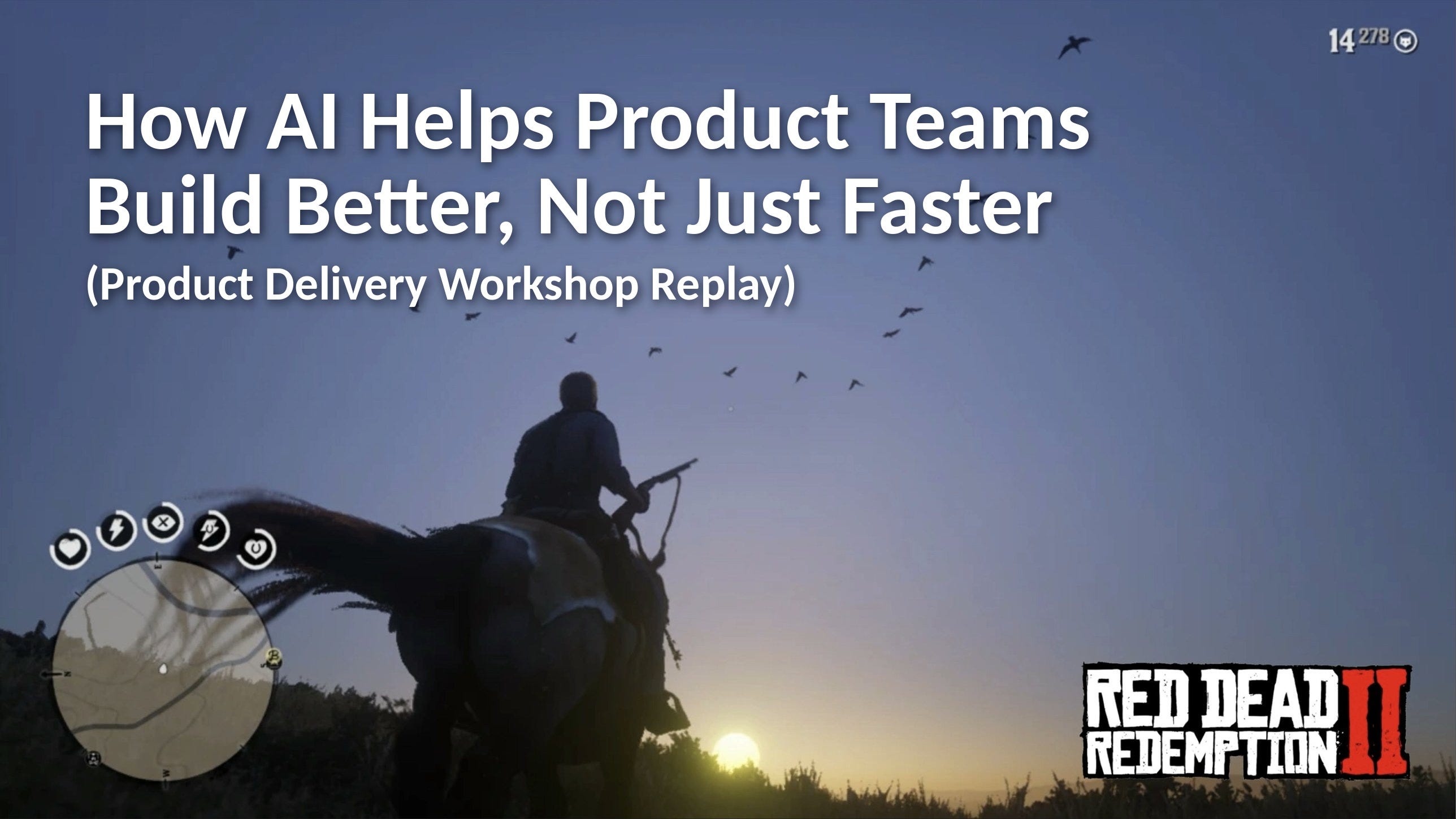
A friend spent months programming birds in Red Dead Redemption II. Fire a gun near a tree and they startle, taking off in formation. The species and behavior change with the habitat, weather, time of day, and events unfolding around them.
On most product teams, those birds would have died in the nice-to-have whiteboard graveyard.
In Red Dead, they helped make the world feel alive. Players cataloged species, mapped spawn conditions, followed suspicious flocks, dissected code, and traded theories online. They noticed the craft.
The game generated more than $725 million in its opening weekend. Second only to Grand Theft Auto V among entertainment launches at the time.
I used to tell my teams at TripAdvisor and Tinder: If we cut all the nice-to-haves, our product won’t be nice to have.
We often cut them anyway.
AI is changing the economics behind those decisions. We can finally afford to build the birds.
But instead of using that capacity to produce products with more craft, we’re using it to produce more features. We’ve been given an extraordinary opportunity. And we’re spending it on an industrial-scale slop factory.
The window to build better products with AI is open, but it won’t stay open forever. Soon, every team will have access to the same tools. The advantage will belong to teams that use them not to ship more, but to build with more craft, taste, and ambition.
Below are five practices for changing how your team delivers products in the age of AI while that advantage is still available. Upgrade to continue reading and get the complete workshop replay and slide deck.
